

.JPG) Hydrogen Power? Doesn't that relate to bombs? Well, yes (as a matter of fact, they are roughly 1000 times more powerful than the "plain vanilla" atomic bomb), but that is not what Jim presented on. Hydrogen power has been used for quite some time: rocket propelation, the Space Stations are powered by Hydrogen. Actually, the first Hydrogen powered fuel cell was invented in 1838. And the stuff is not exactly rare: Hydrogen is the most common element in the universe.
Hydrogen Power? Doesn't that relate to bombs? Well, yes (as a matter of fact, they are roughly 1000 times more powerful than the "plain vanilla" atomic bomb), but that is not what Jim presented on. Hydrogen power has been used for quite some time: rocket propelation, the Space Stations are powered by Hydrogen. Actually, the first Hydrogen powered fuel cell was invented in 1838. And the stuff is not exactly rare: Hydrogen is the most common element in the universe.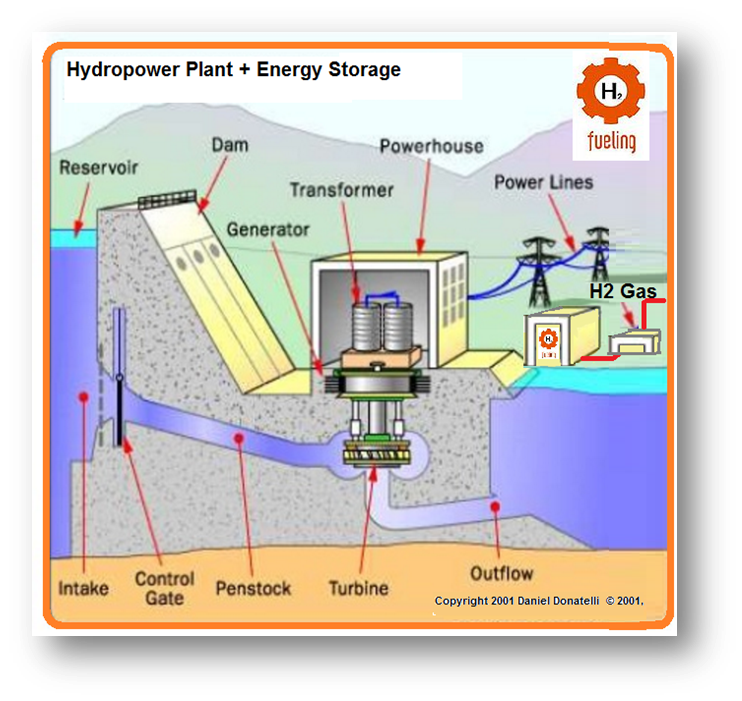
Jim, whose professional background is all things electrical and related to it, gave us a thorough insight into what undoubtedly will become the engine of the near future. In essence, the efficiency of a Hydrogen Fuel Cell is around 70% - compare this with an efficiency factor of about 20% of a Diesel engine - and many manufacturers have already fully developed Hydrogen Engines. At the forefront is a US based truck manufacturer, Nikola Motor Company (named after Nikola Tesla, who in 1888 patented the AC induction motor, no connection to Elon Musk's Tesla Motors). In the passenger vehicle market, many brands, including Hyundai, Lexus, Mercedes, Toyota, Nissan have already Hydrogen powered vehicles on the market or will have them available within a couple of years.
So, how does it work? Sorry, whilst - so Jim Blackburn - "it is not overly complex", it is just a bit too complex to outline in a Rotary Club bulletin... See Jim's Power Point presentation in the Download Section on the right, where you find not only his principal points of discussion but also plenty of diagrams.
In Australia, CSIRO is into it in a big way: they have invented a membrane which converts Ammonia to Hydrogen. Why would you do that? Because Ammonia is much more stable to store and is not highly combustible. Newcastle University is very advanced on Concentrated Solar Thermal (CST) energy, just to name a couple. Very much worth your while to read up on it a bit more. Start with downloading the Power Point!